Compare Local Contractors for Pathway Lights Installation Success
Compare local contractors for pathway light installation to clarify project scope, verify experience, and establish clear expectations for a successful outdoor lighting upgrade.
Pathway lights installation typically involves designing and placing outdoor lighting fixtures along walkways, driveways, and garden paths to enhance visibility and aesthetic appeal. Contractors handling this work assess the property's layout, select appropriate lighting styles, and determine the best placement to ensure safety and functionality. They may also handle the wiring, mounting, and testing of the fixtures to ensure proper operation. Clear communication about the scope of work helps property owners understand what is included, such as the number of lights, type of fixtures, and any additional features like timers or sensors, which can influence the overall outcome of the project.
Defining the scope of pathway lights installation is essential for setting accurate expectations and avoiding misunderstandings. Property owners should specify details such as the desired lighting style, the extent of coverage, and any specific design preferences. It’s also important to discuss the existing electrical setup and whether modifications are needed. Having a written outline of the work to be performed helps ensure that both property owners and contractors are aligned on the project’s goals, materials, and responsibilities. This clarity can prevent surprises and facilitate smoother project execution.
When comparing local contractors for pathway lights installation, property owners should consider their experience with outdoor lighting projects and their familiarity with similar properties. It’s helpful to review portfolios or references to gauge the quality of previous work. Asking about the process-such as how they plan to approach the installation, what materials they recommend, and how they handle unforeseen issues-can provide insight into their professionalism and expertise. Additionally, verifying that the scope of work is documented in writing allows property owners to compare offerings effectively and choose service providers who understand their needs and can deliver consistent results.
Compare local contractors by outlining project priorities, verifying experience, and clearly defining scope and expectations.
- Compare Contractors - Review multiple service providers to find the best fit for pathway lights installation needs.
- Define Scope Clearly - Specify the project details and expectations to ensure understanding between parties.
- Verify Experience - Check the background and past work of local contractors to assess their expertise.
- Document Agreements - Keep all project details, scope, and expectations in writing for clarity and accountability.

Clearly describe your pathway lighting project to effectively compare local contractors, define scope, verify experience, and set expectations in writing.
- Verify that the contractor has experience installing pathway lighting systems similar to the scope of the project. - Ensure the service provider can clearly define the scope of work and installation process in writing.
- Check that the contractor understands your desired lighting design and placement preferences. - Confirm that the contractor can provide detailed descriptions of the lighting plan and layout.
- Assess the contractor’s ability to recommend appropriate fixtures, wiring, and power sources for pathway lighting. - Look for providers who can explain their choices and options for lighting equipment.
- Ensure the scope of work, materials, and responsibilities are documented in a written agreement or contract. - Make sure all expectations and project details are clearly outlined before work begins.
- Compare multiple local contractors to evaluate their experience, communication, and clarity in defining project scope. - Use comparisons to select a service provider that best matches the project requirements.
- Confirm that the contractor can address any questions about installation procedures, safety considerations, and system testing. - Choose a provider willing to discuss technical details and ensure proper setup.
Compare local contractors, clarify scope, verify experience, and outline expectations clearly in writing.
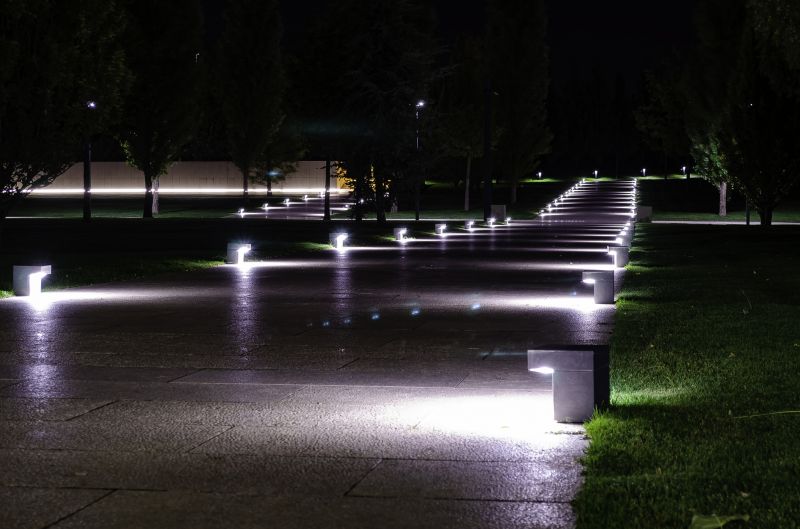



Use consistent comparison criteria across local contractors to evaluate scope, verify experience, and set clear expectations.
- Project Scope Definition - Clearly outline the specific areas and pathways where lights will be installed.
- Lighting Design Specifications - Determine the desired style, brightness, and type of pathway lighting to be used.
- Experience and Expertise Verification - Confirm that local contractors have relevant experience with pathway lighting installations.
- Material and Equipment Requirements - Specify the types of fixtures, wiring, and accessories needed for the project.
- Installation Expectations in Writing - Document the scope, methods, and responsibilities to ensure clarity between parties.
When comparing contractors for pathway lights installation, it is important to evaluate their experience with similar outdoor lighting projects. Homeowners should inquire about the types of pathways or landscaping features they have previously worked on to ensure familiarity with the specific requirements of pathway lighting. Contractors with a proven track record in installing outdoor lighting systems can often provide insights into best practices, common challenges, and effective solutions, helping to ensure the project is completed smoothly and meets expectations.
A clear, written scope of work is essential when assessing potential service providers. This document should outline specific details such as the number and placement of lights, wiring methods, fixture types, and any site preparation needed. Having a detailed scope helps to establish a shared understanding of the project’s parameters, reducing the likelihood of misunderstandings or scope creep. It also provides a basis for evaluating whether a contractor’s proposal aligns with the homeowner’s vision and requirements.
Verification basics involve confirming that the contractor has a thorough understanding of the project’s technical aspects and site conditions. Homeowners should ask about how the contractor plans to handle underground wiring, power sources, and integration with existing landscaping features. It is also helpful to verify that the contractor has experience with outdoor electrical safety considerations and proper installation techniques. Clear communication about these points can help ensure that the project adheres to safety standards and functions reliably over time.
Evaluating options without focusing on pricing involves examining how contractors present their proposals and how well they understand the scope of work. Homeowners should compare the level of detail in each proposal, including the materials, fixtures, and installation methods suggested. It is also beneficial to assess the professionalism of the proposal, such as clarity, completeness, and responsiveness to questions. By focusing on the contractors’ expertise, approach, and ability to deliver the specified scope, homeowners can make informed decisions that align with their project goals and expectations.
Ask contractors to provide written scope details to ensure clear expectations and consistent project understanding.
- **Experience and Expertise** - What experience do local contractors have with pathway lights installation?
- **Scope of Work** - How do contractors define and clarify the scope of the pathway lighting project?
- **Comparison of Services** - What services and features do different local contractors include in their pathway light installation packages?
- **Materials and Equipment** - What types of lighting fixtures and equipment do service providers recommend and plan to use?
- **Written Agreements** - How do contractors document the project scope, expectations, and responsibilities in writing?
What should I consider when choosing a contractor for pathway light installation? It's important to compare local contractors based on their experience with outdoor lighting projects, reviews, and the scope of services they offer to ensure they meet specific needs.
How can I define the scope of pathway light installation with a contractor? Clearly outline the desired lighting layout, types of fixtures, and any special features in writing to help contractors understand and meet project expectations.
What questions should I ask a contractor before hiring for pathway light installation? Inquire about their experience with similar projects, the process they follow, and how they handle design and installation details to ensure alignment with project goals.
How important is verifying a contractor's experience for pathway lighting projects? Verifying their past work and expertise helps ensure they are capable of delivering quality results and understanding the specific requirements of outdoor pathway lighting.
What role does a written agreement play in pathway light installation projects? A detailed written agreement helps set clear expectations, defines the scope of work, and provides a reference point for project deliverables and responsibilities.
How can I compare different contractors for pathway light installation? Review their experience, scope of services, references, and written proposals to evaluate which service provider best matches the project needs.
By reviewing the information provided, visitors can gain a clearer understanding of how to identify qualified contractors for pathway lights installation. They’ve learned the importance of defining the scope of work, verifying experience, and setting clear expectations in writing to help ensure the project aligns with their needs. Using the quote form to compare options allows for a straightforward way to connect with service providers who can handle the job effectively.
Taking a few moments to use the quote form can help find local contractors equipped to manage pathway lights installation. Comparing different service providers makes it easier to evaluate options and find the right fit for the project. This approach supports making informed decisions by connecting with experienced local professionals ready to assist.